
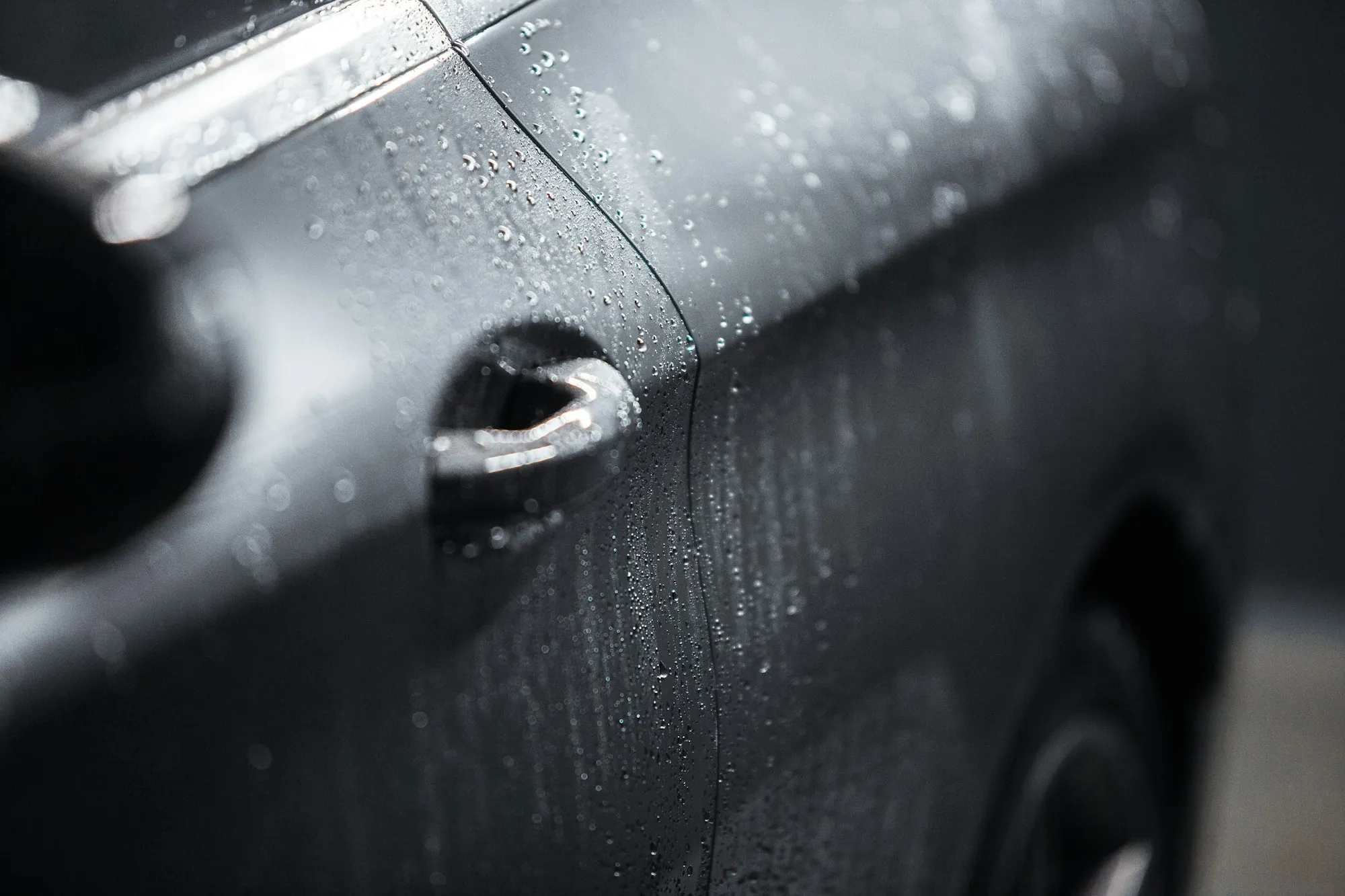
Scuffs, keying and swirls
Paint Scratch Repair in Lucas, Matched to the Depth of the Damage
Branches along a rural drive, a keyed door outside a store in Murphy, a shopping cart rolling loose. The layer a scratch reaches tells us how little we can get away with doing.
Describe the scratch and we will gauge it: (000) 000-0000Depth Decides the Repair
Think of a car's finish as thin sheets laid one over another, with clear on the surface and color, primer and steel underneath. A mark that stays inside the clear can often be leveled by machine polishing, taking off only a whisper of material. One that reaches the color may respond to precise touch-up and leveling, depending on its width and location. Anything that reaches primer or exposed steel needs a small, controlled refinish to seal the panel against moisture. At our Lucas shop, we measure and inspect before choosing, because sanding away more original clear than necessary is a cost you cannot undo. The aim is always the least invasive fix that will hold up and look right.
How We Treat Scratches of Every Depth
The right method depends on the layer the scratch reached. Here is what each level of repair involves.
Fingernail and gauge testing
We feel the scratch and measure paint thickness nearby, revealing how much clear is left to work with.
Leveling shallow marks by machine
Light scratches and swirls are leveled with graded compounds, with each pass kept as light as the mark allows.
Precision touch-up
Thin lines that reach the color are filled with tinted paint a hair at a time, then leveled flush.
Spot refinishing for deep cuts
Damage that cuts through to primer or steel receives a compact, sealed repair, faded outward and cleared.
Keyed panels mapped one by one
Long, deliberate scratches across several panels are assessed individually, since depth often varies along their length.
Scuffed plastic bumpers
Flexible bumper covers receive adhesion promoter and flex additive so the repair moves with the plastic.
Bare steel sealed promptly
Any exposed metal is treated and primed so corrosion cannot creep under the surrounding paint.
Gloss evened out
Repaired areas are refined until their shine and texture match the untouched paint around them.
Working Through a Scratch Repair
- 01
Clean and measure
The area is washed and decontaminated so we see the true scratch rather than embedded grime. A thickness reading tells us how much clear the factory left on that panel. With those readings, we recommend polishing, touch-up or a spot refinish and explain why.
- 02
Repair at the right layer
Polishing removes as little clear as it can to level the surface. Touch-up fills only the scratch itself and is built up in fine coats. Deeper damage is sanded, primed and refinished over the smallest possible area.
- 03
Blend and verify
Each repair is blended and polished until the gloss reads evenly across the panel. We inspect under shop lights and again outside in the sun. At pickup, you hear which method was used, along with a few care tips for the repaired area.
Why Depth-First Repair Protects Your Paint
Factory clear is thin
Every polish removes a little clear, and factory clear is thin. Measuring before working keeps enough in reserve for the life of the car.
Small marks, small repairs
A scratch on one door does not justify repainting two. Keeping the repair small keeps more of the original finish.
Sealed against weather
Deep scratches are closed up properly so rain and Texas heat cannot work their way under the paint.
Spotted a Scratch You Cannot Stop Seeing?
Tell us how long it is, where it sits and whether it catches a fingernail. That is usually enough for us to suggest the gentlest repair that will work.
Talk through the scratch at (000) 000-0000