Can my dent be fixed without repainting?
Often, if the paint isn't cracked and the metal isn't stretched. Door dings, soft dents and many hail dents are good candidates. We'll tell you after seeing it in person.
Lucas body shop that saves factory paint wherever it can · (000) 000-0000
Lucas body and paint shop
The paint your car left the factory with is the best it will ever have. We start every repair by asking how much of it we can keep, then straighten, mend and blend before we ever reach for a new panel.
Ask what can be saved — (000) 000-0000If a dent can be massaged out from behind, the original paint stays untouched.
A panel that can be straightened properly is usually kept.
Refinish limited to the damaged area, then blended into the panels beside it.
Saving paint never comes before measuring and correcting what's underneath.
Repairs
Each repair below has its own page explaining how it's done and how we try to keep as much of the original car as possible. Most damage involves more than one of them, and one estimate covers them together. You don't need to know the right term. Describe what happened and we'll tell you what it involves.
Accident repair planned around saving original panels and paint, with structure corrected first and refinish kept to the areas that need it.
How it's doneDented doors, creased fenders and pushed-in quarter panels reshaped and refinished, with replacement saved for metal that cannot be properly brought back.
How it's doneMeasured frame and unibody correction that draws bent structure back to factory dimensions, so the panels and paint above it can be kept.
How it's doneDents of every size assessed for the gentlest fix that works, from paintless methods to careful reshaping and a small, blended refinish.
How it's doneDoor dings and hail dimples worked out with rods and glue tabs so the factory paint, clear coat and seams stay just as they were.
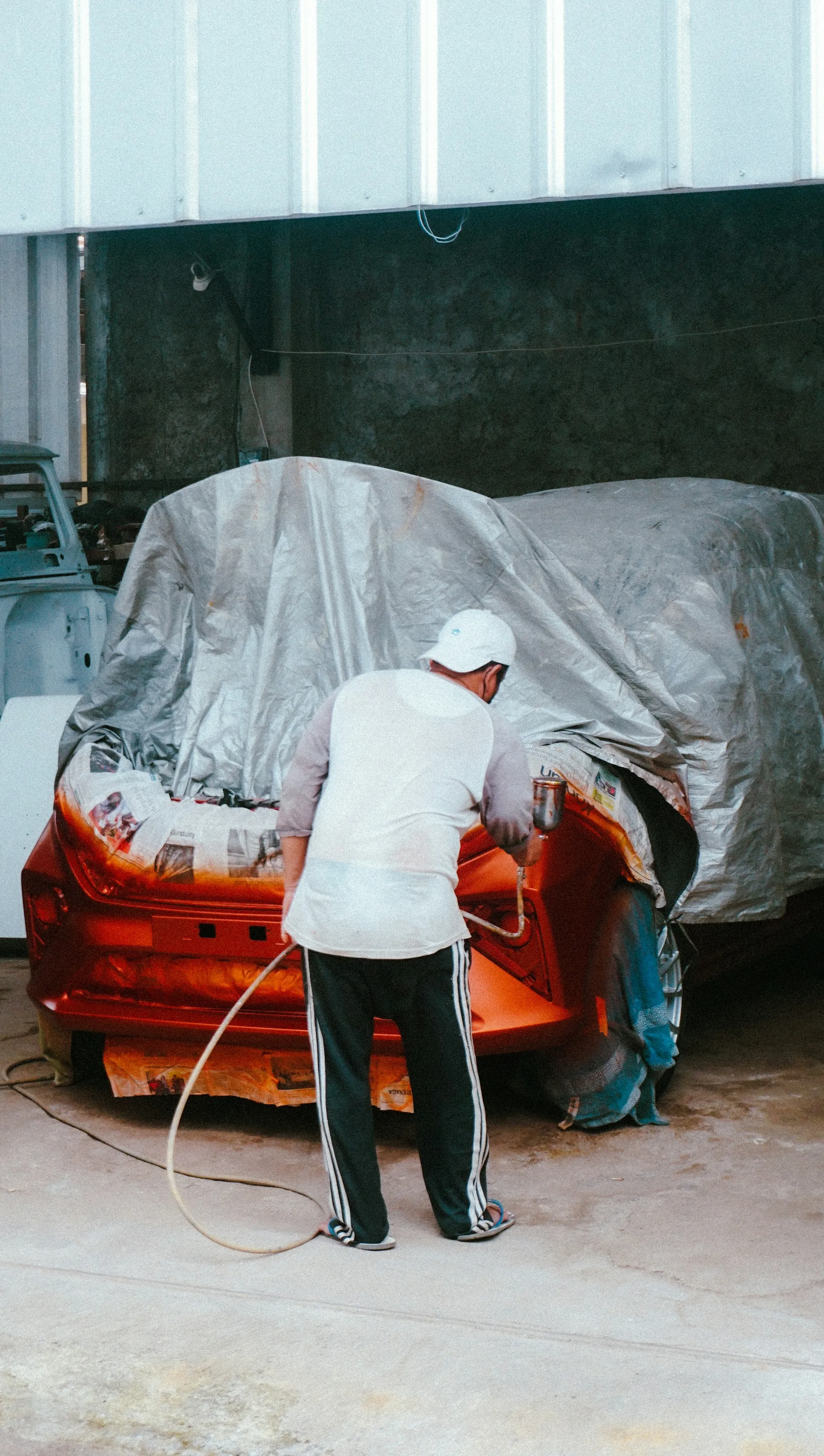
How it's doneRefinishing kept to the panels that need it, tinted while standing next to your car outdoors and faded into the original so the new paint goes unnoticed.
How it's doneEach scratch is measured for depth first, then polished, filled with touch-up or spot-refinished, starting with whatever removes the least paint.
How it's doneBumper covers repaired and refinished when the plastic allows, replaced when it does not, with sensors and brackets checked either way.
How it's doneHail dents lifted from behind the panel with paintless methods, so the factory paint stays on the car wherever it can.
How it's doneCameras, radar and sensors aimed back to factory specs after a repair, with original brackets kept whenever they are undamaged.
How it's doneAluminum panels straightened with dedicated tools in a separated area, repaired before replaced whenever the metal allows.
How it's doneBodywork on electric and hybrid cars that starts with a high-voltage check and ends with paint cured gently enough for the battery.
How it's doneChip repair when the glass can be saved, careful replacement when it cannot, and camera calibration after a new windshield.
How it's doneHelp with estimates, adjusters and supplements, including making the case for repair over replacement when it fits.
How it's doneCareful flatbed towing after a collision, loaded to avoid adding damage, with the car brought directly to our shop.
How it's doneBody and paint repair for work trucks, vans and company cars, with paintless and spot repairs that keep units in service.
How it's done
Why it matters
Factory paint is applied to bare metal in a controlled plant, baked at temperatures a body shop can't use on a finished car, and built up in layers designed to work together. A good refinish can match it closely, and we do plenty of them. But when the choice is between keeping that original layer and replacing it, keeping it is usually the better result.
That's why we look first at what can be repaired in place. A door ding often comes out without paint at all. A creased fender can often be pulled and finished with a small, blended repair. A bumper cover with a scuff and a crack can often be repaired rather than replaced.
We won't stretch that idea past what's safe or sensible. When a panel is too damaged, or the structure behind it needs to be replaced, we'll say so plainly and explain why.
Six steps, in the order they happen. At each one, the question is the same: what's the least invasive repair that does the job properly?
We inspect the damage in good light, from several angles, and note what the paint is telling us.
Panel by panel, we sort what can be repaired in place from what genuinely needs replacing.
You get an estimate that explains each choice, including where paint will and won't be needed.
Anything that shifted underneath is measured and brought back to the maker's dimensions first.
Dents are worked out, panels are straightened and new paint is kept to the smallest sensible area.
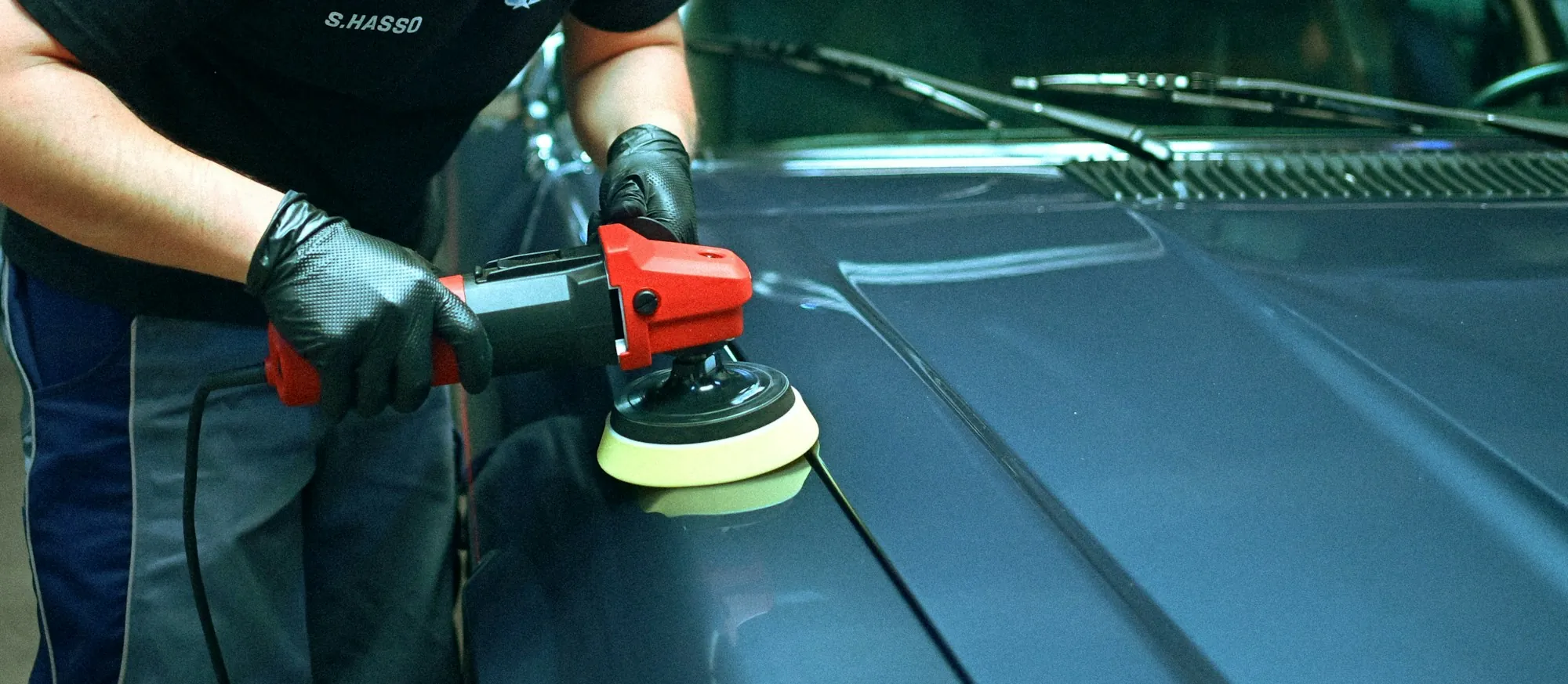
Color is blended into neighboring panels, then the surface is polished so the repair disappears.
Most people only see a body shop after something has gone wrong. What they want to know is simple: will it look right, and will the car still feel like theirs? Our answer is to change as little as the repair allows.
Some damage can be repaired in place and some can't. We'll tell you which is which, and why.
A smaller refinish area is easier to blend and leaves more of the factory finish in place.
Factory panels fit the car they came on. Straightening one properly often beats a replacement.
You'll know what's being repaired, what's being replaced and what's being repainted before work starts.
Lucas sits on a quiet stretch between Allen and Lake Lavon, but the roads still have their moments. FM 1378 carries steady traffic north and south through town, FM 3286 runs east toward the lake, and FM 2551 links up with Murphy and Parker. Gravel shoulders, deer at dusk and trucks hauling landscaping rock all leave their marks, often as chips, dings and scrapes rather than serious collisions.
The weather adds its share. Spring storms bring hail to Collin County most years, and the summer sun is hard on clear coat that's already been chipped. Long drives on country lanes mean plenty of rock chips on hoods and bumpers.
That kind of damage is exactly where a preservation-minded approach pays off. A hail-dimpled roof, a dinged door or a chipped hood can often be repaired without repainting the whole panel, and sometimes without repainting at all.
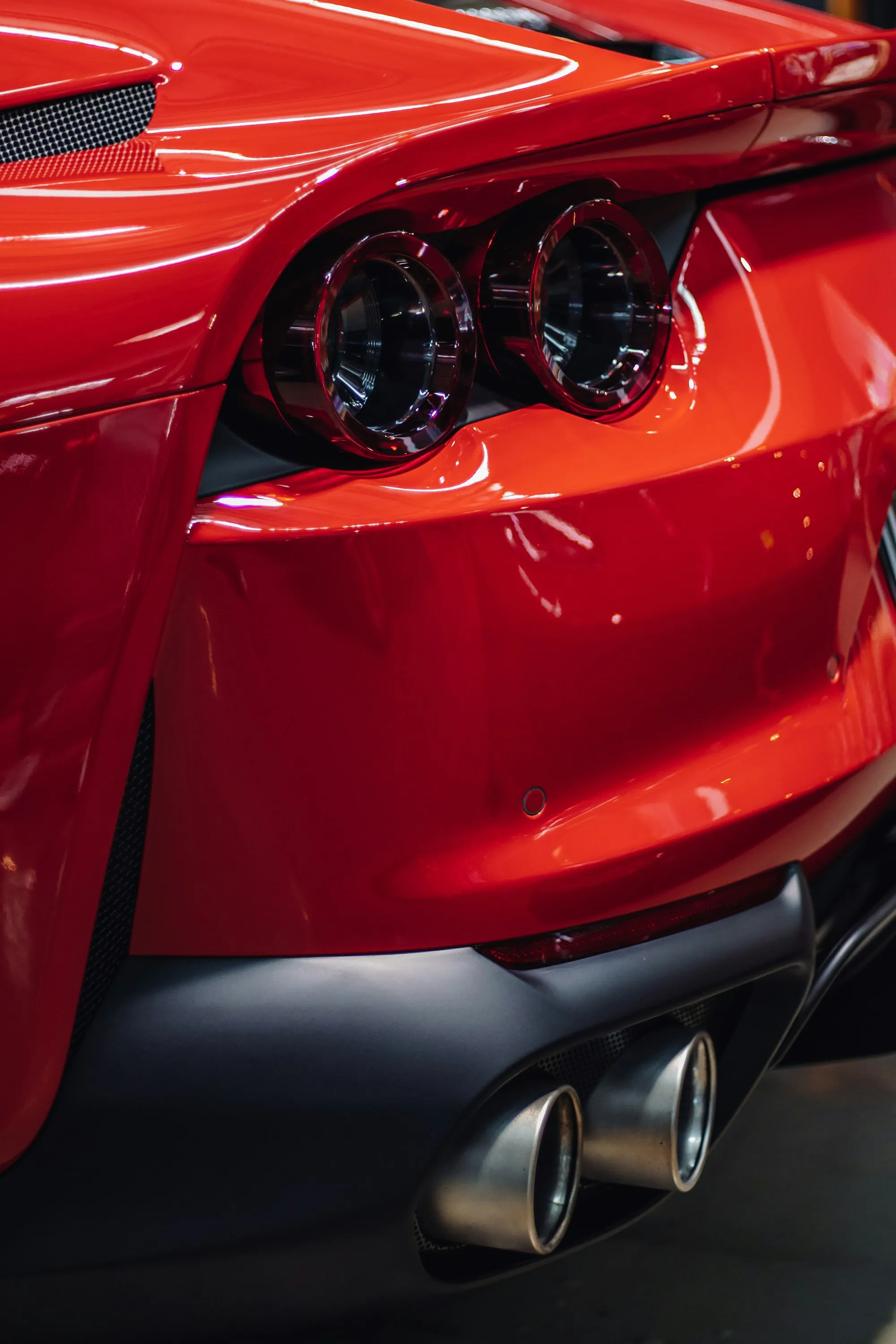
Paintless first
Paintless dent repair works when the paint itself is unbroken. A technician reaches behind the panel, or uses glue tabs on the outside, and slowly works the metal back to its original shape. No filler, no sanding, no new paint, so the factory finish stays exactly as it was.
It suits door dings, shopping-cart bumps, many hail dents and soft creases. It doesn't suit sharp creases that have stretched the metal, dents on a panel edge or anywhere the paint has cracked. When paintless repair isn't the right call, we'll show you why and explain the conventional repair instead, keeping the refinish as small as we can.
Lucas sits between Allen to the west and Lake Lavon to the east, with Fairview, Parker, Wylie, Murphy and St. Paul all close by. Most customers reach us in a few minutes, and plenty drive over from the neighboring towns.
FM 1378, FM 3286, FM 2551 and the lanes around Lake Lavon. Tell us where it happened and we'll picture it.
A car from Allen gets the same paint-first assessment as one from down the lane.
Repair questions, estimates and scheduling all go through (000) 000-0000.
Coming from farther out? If the car can make the trip, we'll give it the same careful look.
Ask about your town — (000) 000-0000Short answers. For anything else, call (000) 000-0000.
Often, if the paint isn't cracked and the metal isn't stretched. Door dings, soft dents and many hail dents are good candidates. We'll tell you after seeing it in person.
Sometimes that's the right call. But a factory panel that can be straightened properly fits the car it came on, and keeping it often means less new paint to blend.
We match the color to your car, not just the paint code, and blend into neighboring panels so the transition isn't visible in normal light.
No. Structure comes first. If something underneath needs to be corrected or replaced, it's done before any cosmetic work.
Light scratches in the clear coat can often be polished out. Deeper ones that reach the color or primer need a small, blended touch-up or refinish.
Often, yes. Most hail dents leave the paint intact. Very large dents or cracked paint may need conventional repair on that panel.
Call (000) 000-0000 and we'll arrange a time to look at the car in person. The light and angle matter, so photos rarely tell the whole story.
Yes. We'll write the estimate for your insurer and explain the repair choices we've made, including where paintless repair applies.
A few dents might take a day or two; collision work takes longer. You'll get a realistic estimate up front and a call if anything changes.
We'll check paint thickness. A previously refinished panel can change what's possible, and we'll tell you how.
Tell us what happened and where the damage is. We'll explain whether it's likely a paintless repair, a small refinish or something more, and what the next step is. No pressure to decide on the call.
Ask the shop — (000) 000-0000Serving Lucas, Allen, Fairview, Parker, Wylie and nearby.