
Covers, absorbers and sensors
Bumper Repair & Replacement in Lucas, Repair Considered First
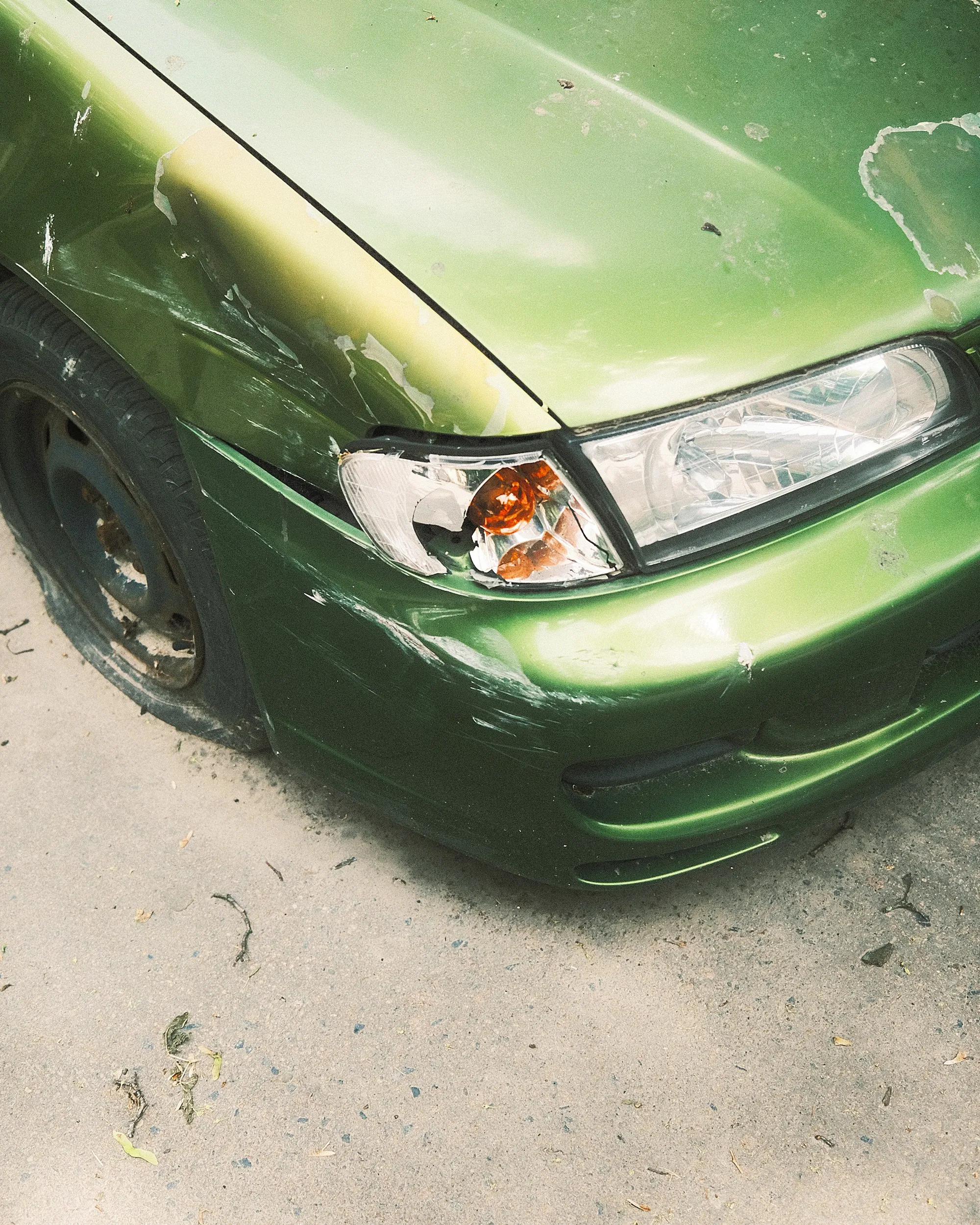
A low post at a fuel pump, a tap from behind at a light on FM 1378, a curb in a Wylie lot. Plastic bumper covers can often be welded and reshaped rather than thrown away.
Tell us about the bumper: (000) 000-0000Saving the Bumper You Already Have
Modern bumpers are layered systems: a painted plastic cover on the outside, then foam or plastic absorbers, a reinforcement bar and frequently a cluster of parking sensors or a radar unit. Many low-speed hits damage only the cover, and covers can frequently be repaired by heat-reshaping distortions and plastic-welding cracks from behind. Repairing keeps the original part's fit, mounting tabs and factory molding quality. When a cover is torn through its mounting points, badly shattered or deformed past recovery, replacement is the sounder choice, and we will explain why. Whichever way it goes, the absorbers and brackets are checked for crush damage before reassembly. Around Lucas, where many trips run along open roads at highway speed, the hidden parts deserve as much attention as the visible plastic.
What Bumper Work Includes Here
Bumper repairs touch plastic, paint and electronics. These are the parts we take care of.
A look behind the cover
Taking the cover off is the only way to see crushed absorbers, cracked brackets and bent reinforcement bars.
Heat reshaping for pushed-in plastic
Many dents in a bumper cover can be warmed and coaxed back into shape without cutting or filling.
Plastic welding from the back side
Splits and short tears are fused using the same type of plastic, then backed with reinforcing mesh so they hold when the cover flexes.
Mounting tabs rebuilt
Snapped tabs are rebuilt or replaced, letting the cover seat snugly against the fenders and lamps.
Paint that flexes
Paint for plastic includes adhesion promoter and flex agents so the finish bends along with the cover instead of crazing.
Parking sensor care
Sensors and their mounts are removed, protected during repair and confirmed working when reinstalled.
Radar and camera checks
Front radar and rear cameras near the bumper are inspected, and calibration is arranged when the repair requires it.
Replacement when repair falls short
If the cover cannot be saved, a new one is prepped and refinished, with color faded into the fenders beside it.
How Your Bumper Gets Sorted Out
- 01
Remove and assess
First the cover is unbolted, exposing the back of the plastic and the parts it was hiding. We note cracks, tears, distortions and any damage to absorbers, brackets or sensors. Then we recommend repair or replacement and explain the reasoning. The estimate lists each item clearly.
- 02
Repair or prepare
Repairable covers are reshaped with heat and welded from behind where cracked. Damaged absorbers and brackets are replaced so the system protects you properly next time. A replacement cover gets mounted bare first, confirming its fit before any color is applied.
- 03
Paint, refit and test
Flexible paint goes on, faded at the edges where the cover joins the bodywork. Sensors are reinstalled and confirmed, and cameras or radar are checked. Finally, the bumper is fitted and the gaps are compared side to side.
Why Repairing the Cover Is Worth a Look
Original fit stays
Your factory cover was molded for your car. Keeping it avoids the small fit differences some replacement covers can have.
Safety parts behind it get attention
Plastic can spring back and look fine while the foam behind it is crushed. That hidden part is always inspected.
Electronics handled properly
Sensors, radar and cameras are treated as part of the repair, not an afterthought.
Bumper Cracked, Scuffed or Hanging Low?
Let us know which corner was hit and what you can see, and we can tell you whether repair is worth considering. A short visit lets us look behind the cover and confirm.
Ask about bumper repair at (000) 000-0000