
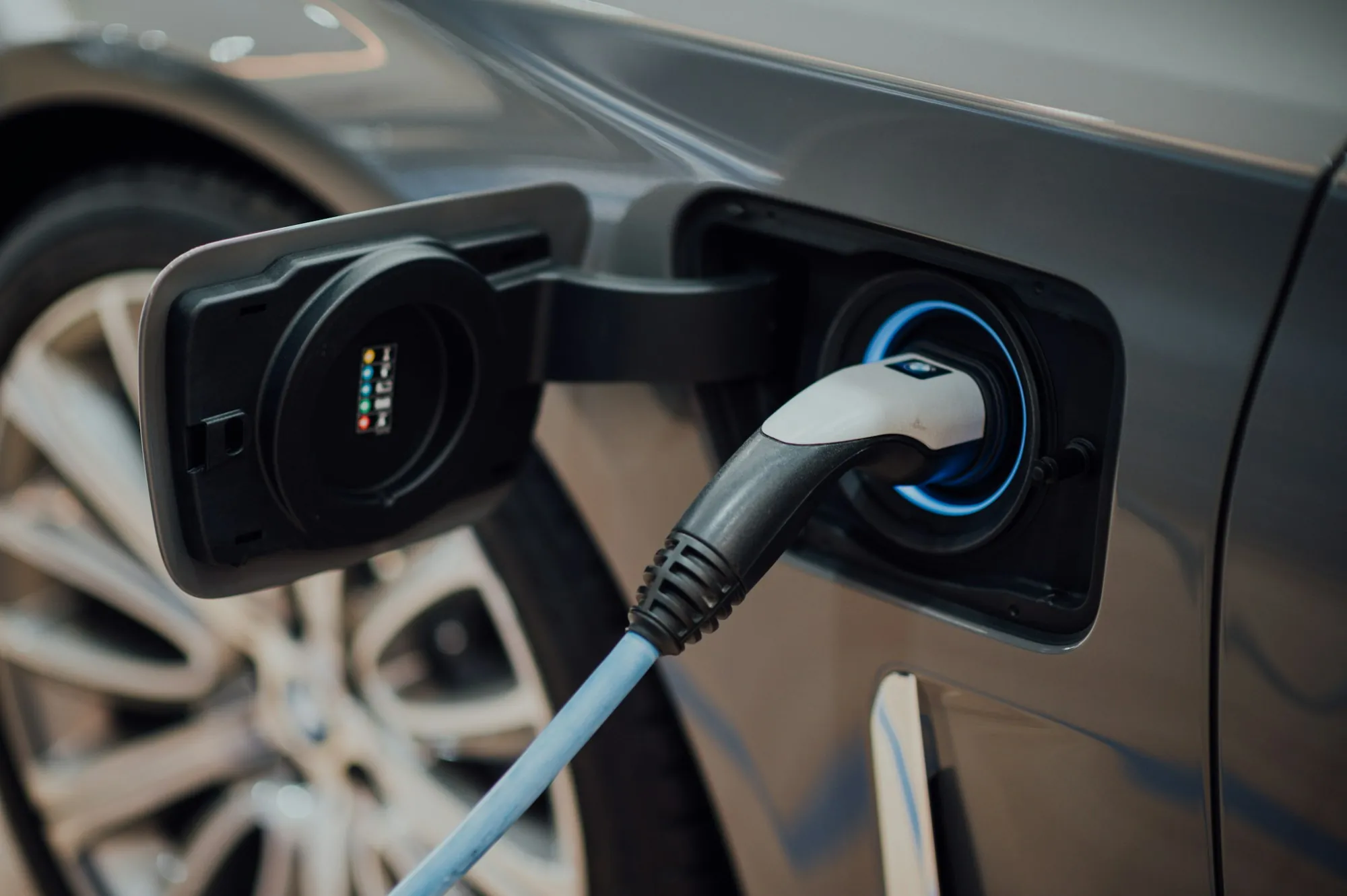
Electric and hybrid
EV & Hybrid Collision Repair in Lucas
Electric and hybrid models hide a high-voltage pack beneath the cabin and route orange cables through the body. A good repair plans around both.
(000) 000-0000 — plan your EV repair with usWhat Changes When the Car Is Electric
From the outside, a dented EV fender looks like any other. Underneath, the repair has to account for a large battery pack, its cooling lines and high-voltage wiring routed close to body panels. Before work begins, the system is checked and, when the procedure calls for it, powered down by a trained technician. We then follow the manufacturer's repair steps for that model. Preservation matters with EVs as much as with any car: many use unique aluminum or composite panels that are slow to source, so repairing the original is often the better route for both the car and the timeline. Hybrids and EVs are a common sight around Fairview and Allen, and each one gets the same careful start.
EV and Hybrid Repair Steps We Follow
Each electric or hybrid repair includes these safeguards on top of the usual bodywork.
High-voltage system check
Before panels come off, the battery state and isolation are checked with the scan tool and insulated meters.
Power-down when required
If the repair is near high-voltage parts, the system is disabled following the manufacturer's steps and verified before work continues.
Battery and underbody inspection
The pack enclosure, mounts and coolant lines are examined for scrapes, dents or leaks caused by the collision.
Protective gear near live parts
Anyone working close to orange cabling or connectors suits up in rated gloves and reaches for insulated hand tools.
Panel repair over replacement
Unique EV panels are often backordered, so straightening the original when possible keeps the car moving through the shop.
Low-temperature paint cure
Refinish products are cured with lower booth heat, sparing the cells the temperature of a standard bake cycle.
Charging and cooling checks
After the repair, we confirm the car charges normally and the cooling system holds pressure without warnings.
Driver-assist calibration
EVs lean heavily on cameras and radar, so any sensor disturbed by the repair is aimed again before the car leaves.
Steps in an EV Repair
- 01
Inspect and make safe
The car arrives and is parked in a marked space away from other vehicles. A technician reads the battery state, looks for any sign of pack damage and decides whether the system must be powered down. Nothing is unbolted until the car is confirmed safe to work on. We phone you with what the inspection turned up.
- 02
Repair with the battery in mind
Bodywork proceeds with extra attention around wiring and modules. Panels are straightened where the metal permits, and any replacement follows the model's procedure. Paint goes on only where it is needed and is cured gently. Lift points are chosen to keep pressure off the battery enclosure.
- 03
Restore and verify
We re-enable the high-voltage system and scan every module for faults. Charging, cooling and driver-assist functions are tested. A road test on Parker Road checks for quiet operation and normal handling. When you collect the car, we go over what was repaired and which original parts stayed.
Reasons EV Owners Choose Our Shop
Safety before speed
High-voltage repair rewards a slower start. Taking time to check and power down protects the technician, the car and you.
Gentle on the battery
Lower cure temperatures and careful lift points spare the pack from heat and pressure it should never see.
Original panels kept when possible
Saving a factory panel keeps the fit right and avoids long waits for parts that are hard to find.
Planning a Repair on an EV or Hybrid?
Every electric car is a little different, and the right repair starts with knowing the model. Share the year and make with us and we will explain how we would approach it.
Describe your EV or hybrid at (000) 000-0000