
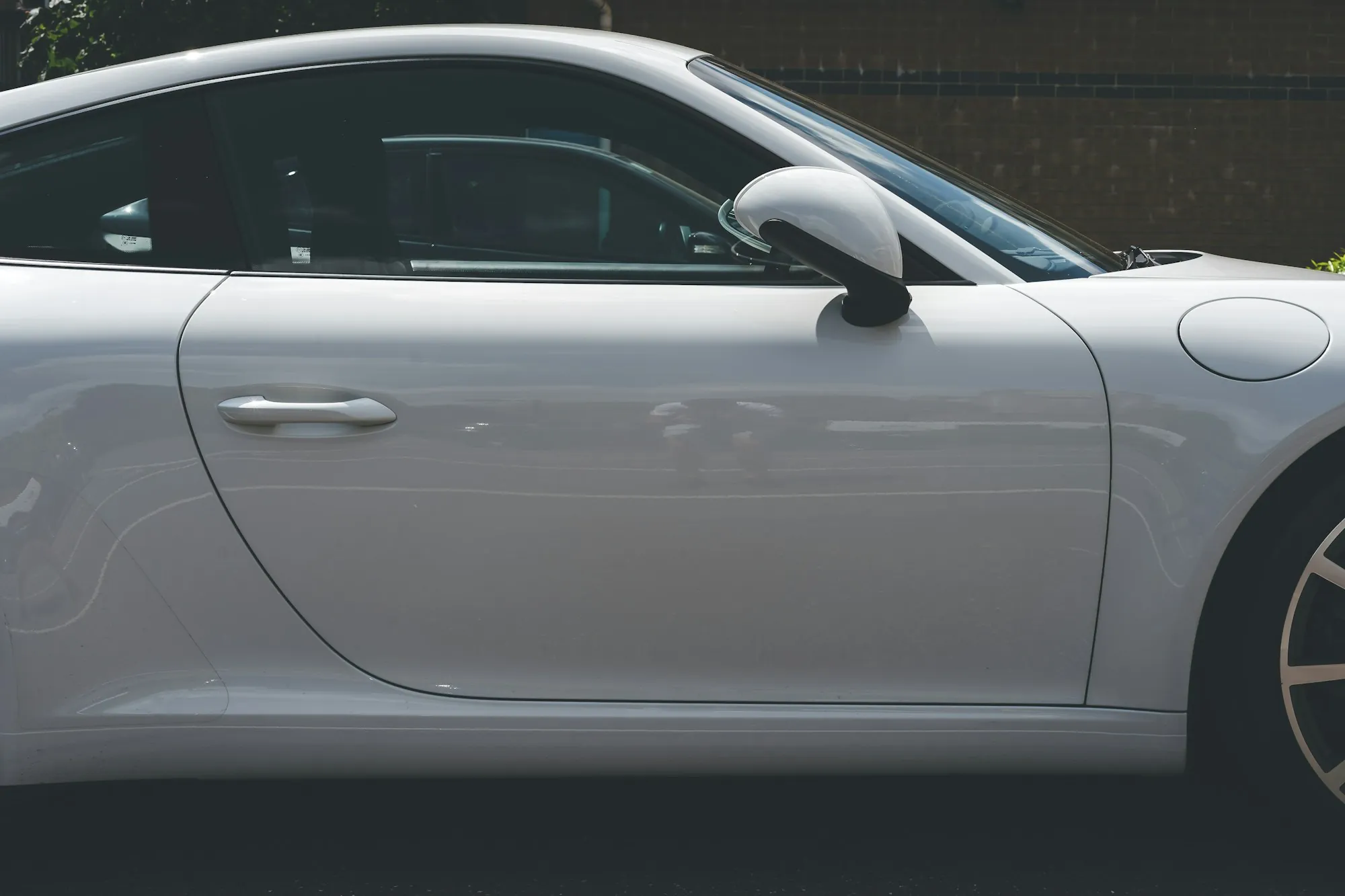
Dings, creases and dents
Dent Repair in Lucas, From Least Invasive to Most
A cart ding in a Parker grocery lot and a crease from a trailer hitch out on Stinson Road need different tools. We choose the lightest one that will do the job well.
Ask which method fits your dent at (000) 000-0000Choosing the Lightest Touch
Not every dent calls for filler and fresh paint, and many do not even need a sander. When a dented car arrives at our Lucas shop, we work through the options in order, starting with the method that disturbs the least original finish. Where the finish has held and the steel has not stretched, paintless techniques may lift the dent entirely. Where the finish has split or the crease is knife-sharp, we reshape the metal by hand and refinish just the affected area. Only when a panel is torn or deformed past recovery do we talk about replacement. That order keeps more factory paint on your car and usually keeps the repair smaller.
Ways We Handle a Dent
These are the methods and checks that go into dent work here, used alone or together depending on the damage.
Depth and paint inspection
We check whether the paint has cracked, how sharp the dent is and whether a brace sits behind it, since those decide the method.
Paintless removal when it qualifies
Rods and glue tabs lift suitable dents without sanding or paint, leaving the factory finish on the panel.
Metal finishing for sharper damage
Creases that stretched the metal are shrunk and shaped by hand before any thin skim of filler goes on.
Paint kept to a small patch
When paint is needed, we keep it to the smallest area that will blend cleanly instead of recoating the whole panel.
Crisp styling lines rebuilt
Styling lines that run through a dent are rebuilt crisply so reflections travel straight across the panel again.
Dents at edges and corners
Damage near panel edges is tricky for paintless tools, so we explain which hybrid approach fits before starting.
Several dents, one plan
If the car has collected a few dings, we evaluate them together and plan one efficient repair.
An outdoor look before release
Repaired areas are examined outside, where low sun and open sky reveal anything the shop lights missed.
What Happens After You Bring the Dent In
- 01
Look and decide
A lined reflection board goes up beside the panel, and the paint is examined close in. Then we explain which method we recommend and what the alternatives would involve. You will know before work starts whether paint is part of the plan. For insurance jobs, the estimate is written around the method chosen.
- 02
Repair with the chosen method
Paintless work happens from behind the panel or with glue pulls from the front. Conventional repairs involve reshaping, a light filler skim if needed and careful sanding. Trim and lights removed for access are set aside and kept with the car.
- 03
Blend, polish and show you
Anywhere paint was applied is faded outward and polished until its texture sits like the factory surface. Trim returns, and the panel gets examined from low and high viewpoints. Then we show you the result outside before you take the car home.
Why a Graduated Approach Makes Sense
Original paint is irreplaceable
Factory paint is applied and baked on bare metal in a way a repair booth can come close to but not reproduce exactly. Keeping it where possible protects the panel over the long term.
Smaller repairs, fewer seams
Every refinished area creates an edge between new and old. Choosing the gentlest workable method keeps those edges few.
You hear the tradeoffs
When paintless may not fully clear a dent, we tell you up front rather than overpromising.
Curious Which Method Your Dent Needs?
Describe the size, the location and whether the paint cracked, and we can usually point you in the right direction. A short look in person settles the rest.
Talk dents with the shop at (000) 000-0000