
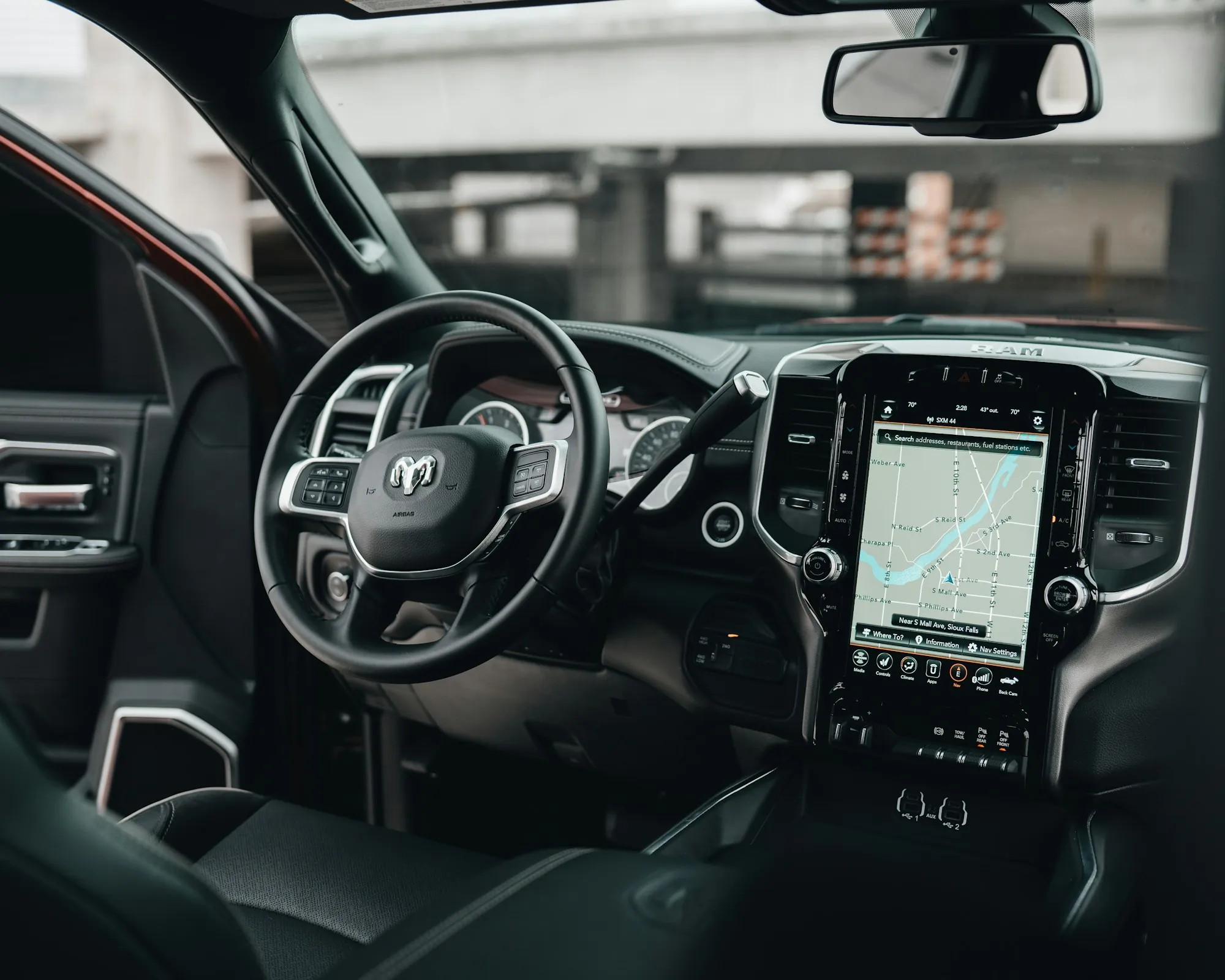
Driver-assist systems
ADAS Calibration in Lucas for Cameras, Radar and Sensors
Automatic braking, adaptive cruise and lane-keeping all rely on sensors aimed within tight limits. After a repair, we confirm they point where the factory intended.
Ask whether your car needs aiming — (000) 000-0000Small Shifts That Sensors Notice
Today's cars read the road with a windshield camera, radar units behind the bumper or grille and ultrasonic sensors in the bumper cover. Each one sits on a bracket and is aimed to a precise angle. Even a gentle nudge in a parking lot off Country Club Road can tip that angle enough to matter at highway speed on US 75. Calibration resets the aim using targets, measured distances and a scan tool, following the procedure written for your exact model. Our preservation mindset applies here too: if a factory bracket is straight and undamaged, we keep it rather than swapping in a new one. We also watch how much paint goes over sensor zones, because extra film on a bumper can change how radar reads through it.
Pieces of a Proper Calibration
What happens depends on the car and the repair, but most calibrations involve these checks.
Pre-repair system scan
A scan tool reads stored faults before work begins, so we know which driver-assist modules the collision already disturbed.
Bracket and mount inspection
Sensor brackets are checked for bends, cracks and loose fasteners. Straight factory brackets are reused, and only damaged ones are replaced.
Ride height and alignment check
Calibration assumes the car sits level at its designed height, so tire pressure, cargo and wheel alignment are confirmed first.
Static target calibration
For many cameras and radar units, printed targets are placed at exact distances in the bay and the system is aimed against them.
Dynamic road calibration
Some systems learn their aim while moving, so a technician completes a measured drive on well-marked roads until the module confirms.
Bumper paint film limits
Bumper covers over radar are refinished with attention to coating thickness, since heavy layers can weaken the signal.
Parking sensor and camera checks
Ultrasonic sensors and surround-view cameras are tested for correct readings and image alignment after reassembly.
Calibration report
You receive a printout showing which systems were calibrated and confirming they finished without faults.
How a Calibration Visit Goes
- 01
We confirm what the car needs
Every manufacturer lists which repairs call for calibration. We look up your model and compare that list with the work being done. A bumper cover replacement may require radar aiming, while a new windshield almost always requires camera aiming. You hear the plan before the car goes into the bay.
- 02
Set up the bay and aim
We roll the car onto a level floor, center it to the targets and measure carefully. A scan tool walks the module through its calibration routine. If the system asks for a road drive, that follows on quieter roads like FM 3286 where lane markings are clear. Error codes are traced and corrected rather than cleared and ignored.
- 03
Verify and release
Once each module reports success, we run a final scan for leftover faults. A short drive checks that lane-keeping and cruise behave normally. You receive the calibration report along with your repair paperwork. If a warning light ever returns, bring the car back and we will look again.
What You Can Expect From Our Calibration Work
The model's own procedure, every time
We follow the published steps for your model rather than a generic routine. That takes longer, and it is the reason the systems behave as they should.
Original parts kept when sound
An undamaged factory bracket or sensor is usually the best part for the car. We replace only what inspection shows is bent, cracked or failing.
Clear paperwork
You leave knowing what was aimed and how it was verified. That record also helps if your insurer asks for proof.
Questions About a Warning Light?
If a dash light came on after a repair or a new windshield, a scan will show what the car is reporting. Give us a ring and we can talk through what your model calls for.
(000) 000-0000 — talk to us about sensor aiming